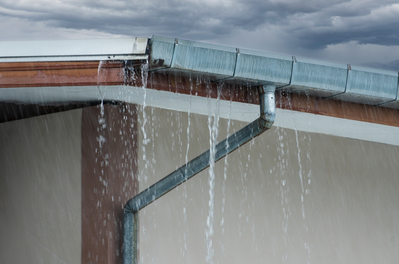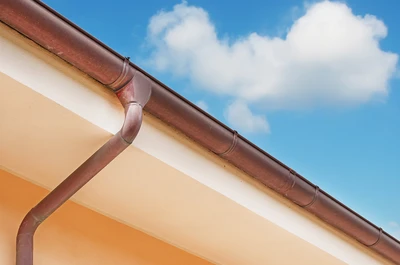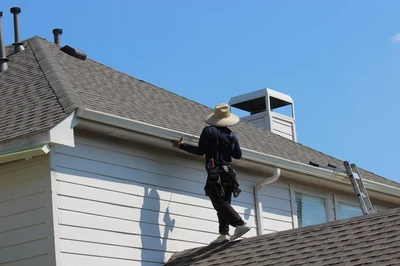
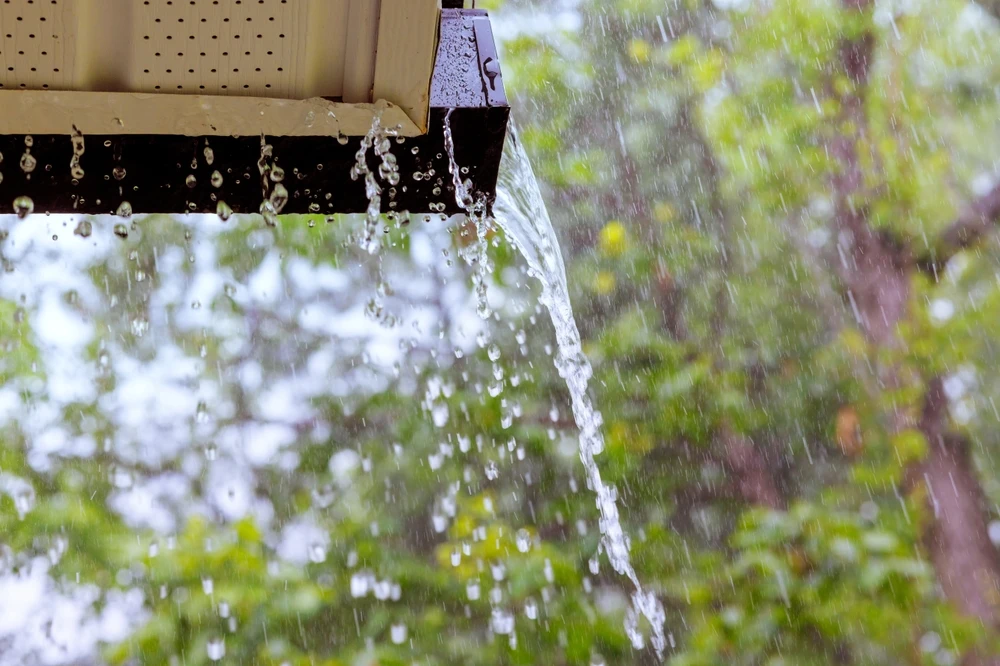
Have you noticed your gutters overflowing in the middle of a rainstorm? That typically means your gutter system isn’t working correctly. Gutters are supposed to catch rainwater and safely move it away from your roof, siding, foundation, and landscaping. But when water spills over the sides of your gutters instead, you risk your home taking water damage that can get expensive in a hurry. The good news is that most overflowing gutters are caused by a few common, fixable issues. Here are 5 common causes of your gutters overflowing:
1. Clogged Gutters
The most common cause of gutters overflowing is a buildup of natural debris: leaves, needles, twigs, you name it. If it lands on your roof, odds are some of it ends up in your gutters. Over time, all that junk piles up and stops water from flowing, so the next time it rains hard, water just spills over the sides. If you have trees close to your home, you might need to clean your gutters several times a year to keep them flowing properly.
2. Blocked Downspouts
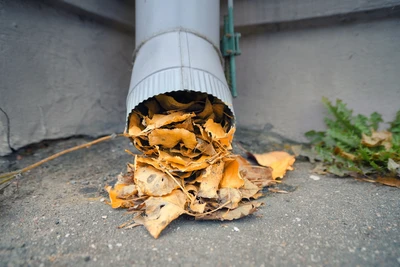
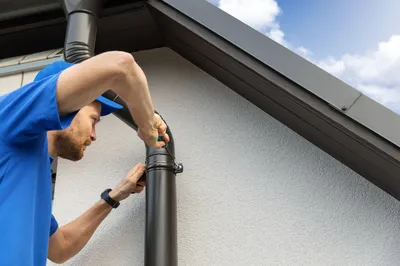
Even clean gutters can overflow if your downspouts are clogged. Sometimes debris piles up inside of elbows or underground drainage pipes. When this happens, the water has nowhere to go, and can cause water to back up into your gutters. Water dumping right over where the downspout is or water that seems to drain slowly can be signs that your downspout is blocked. Clear the blockage, and you’re back in business.
3. Gutters That Are Too Small
Sometimes, the gutters your home has simply aren’t built for heavy rain, especially if your roof is big or steep. During a major storm, small gutters can’t handle all that runoff, so they can start to overflow. If you notice your gutters overflowing only when it pours, consider upgrading to larger gutters or adding additional downspouts for added flow capacity. It really makes a difference.
4. Improper Gutter Pitch
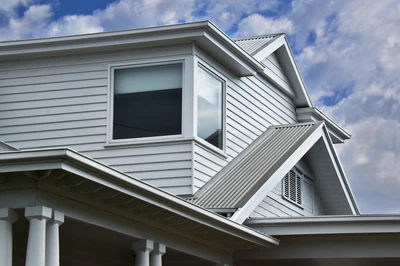
Gutters need a gentle slope toward the downspouts, or else water will just sit there, and eventually spill over. If the pitch is too flat, or sections start to sag over time, water can collect in the gutters instead of draining away. You’ll often see standing water, which adds extra weight. This extra weight can increase the likelihood of your gutters overflowing and shortening the lifespan of your gutter system. The fix can be as simple as rehanging or adjusting the pitch.
5. Damaged or Failing Gutters
Older gutters can start to leak, loosen, pull away from the roof, or rust out. When that happens, water isn’t channeled where it should go, and overflow is pretty much guaranteed. If you’re constantly noticing your gutters overflowing, even after cleaning or fixing sagging spots, it may be time to replace them with a seamless gutter system that’s less likely to leak.
Protect Your Home From Overflowing Gutters
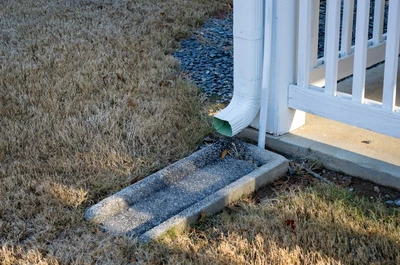
Ignoring your gutters overflowing can cause all sorts of bigger issues. The water can eat away at your foundation, wreck your landscaping, soak your basement, or rot window trim and siding. Regular maintenance, the right gutter size, and smart drainage solutions go a long way towards saving you a headache (and money). If you’re looking for additional ways to improve your home’s drainage, make sure to learn about some of the best gutter drainage solutions.