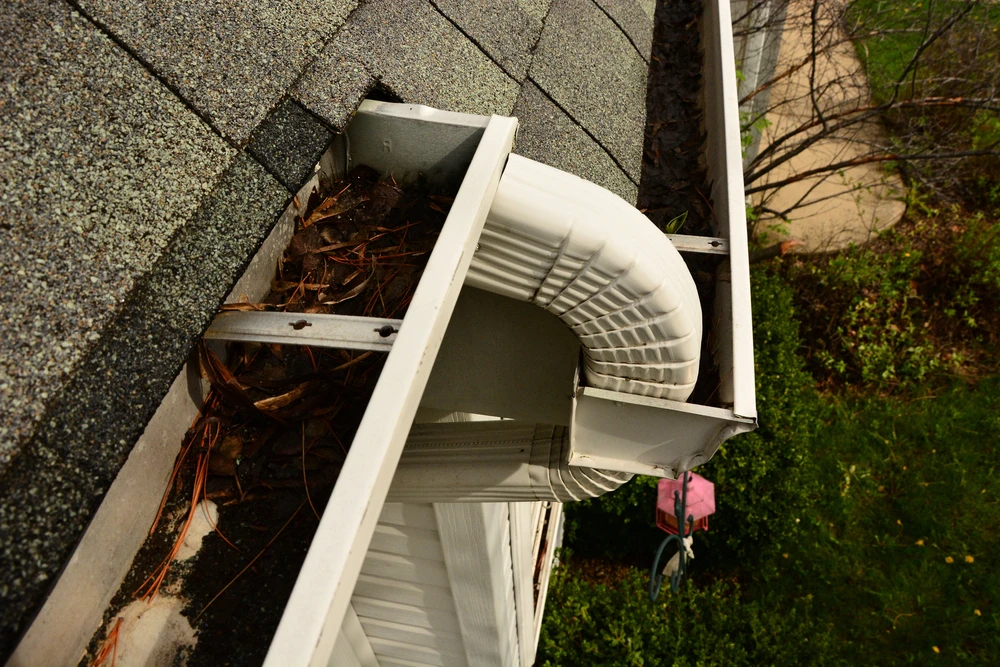
Did you know that just one inch of rain on a normal roof makes about 1,200 gallons of water? That is enough water to fill more than twenty big bathtubs! When leaves and sticks clog your gutters, all that water has nowhere to go. It spills right over the edge and falls straight down next to your house. Over time, hydrostatic pressure builds up in the dirt and pushes water right through your basement walls and floors.
Your house will often give you clues before a big flood happens. You might smell something musty in the basement, feel damp air in the crawlspace, or spot tiny cracks in the wall. GutterPro LLC helps homeowners in Auburn, Orange Beach, and Huntersville keep water away from their homes. Here is how hydrostatic pressure from clogged gutters can cause your basement to flood and how you can stop it.
What Is Hydrostatic Pressure in a Foundation?
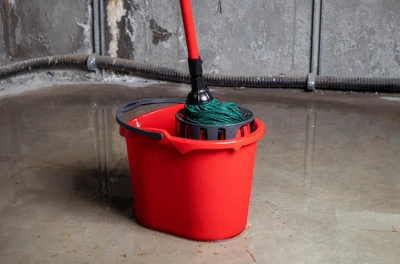
Hydrostatic pressure sounds like a hard science word, but it is actually very simple to understand. "Hydro" means water. "Static" means staying in one place. So, hydrostatic pressure is just the heavy push of water that is resting against something. When dirt around your house fills up with water, that trapped water presses hard against your basement walls and under your concrete floor. If that heavy push gets too strong, it can crack walls, break mortar, and force water inside your home.
Water is surprisingly heavy. Just one cubic foot of water weighs over sixty-two pounds! Think about picking up an eight-gallon bucket of water. It is very heavy to carry. Now imagine hundreds of buckets of water sitting in the dirt right next to your home. When big storms hit, the dirt absorbs water like a giant kitchen sponge. Once the sponge is completely full, it cannot hold any more liquid. All that extra rain from a heavy rainstorm puts lots of weight against the outside of your house.
When wet dirt expands, it pushes sideways against your basement walls. This pressure from wet soil can push so hard that concrete walls start to bow or crack. But hydrostatic pressure from clogged gutters does not only push from the sides. It also collects deep underground beneath the flat concrete floor of your basement. The water tries to push straight up. Water will always hunt for any tiny hole or crack it can find. Once water pushes its way through the floor or walls, you get damp rooms, peeling paint, and smelly mold that can make your family feel sick.
Can Clogged Gutters Cause Water in the Basement?
Yes, clogged gutters are one of the biggest reasons basements flood. Gutters have one main job: catch rain from the roof and send it safely away through downspouts. When leaves, pine needles, or dirt fill up your gutters, they act like a dam. Thousands of gallons of rain spill over the top like a waterfall. This water lands right at the base of your house. The soil gets soaked, and hydrostatic pressure from clogged gutters begins to build up fast, driving water straight through your foundation.
Many people think a wet basement only happens when the yard is flat or when the natural water underground rises after winter. But roof water is usually the real bad guy. Think about how much rain hits a roof during a summer storm. A single heavy downpour can drop hundreds of gallons of water into your garden beds in less than an hour. If that water is not carried away, it has nowhere to go but down into the soil right beside your foundation blocks.
When there is strong hydrostatic pressure from clogged gutters, water will look for the easiest way in. It can squeeze through tiny spaces around pipes, seep through window frames, or slide right through the joints between concrete blocks. Scheduling regular professional gutter cleaning stops this waterfall before it starts. When your gutters are clean, water flows where it belongs, and big puddles will not sit next to your walls.
Recognizing Warning Signs Around Your Home
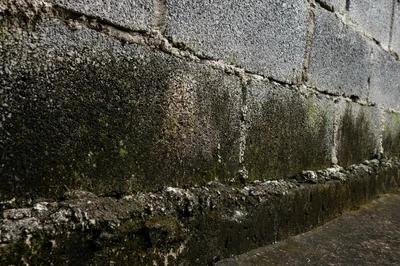
Basement problems almost never happen out of nowhere. Your home will usually give you warning signs long before you step into a puddle of water in your basement. You just need to know what to look for when you walk around your yard and through your home.
Here is a helpful list of early signs that tell you water is building up and it might be time to call for gutter help:
- Puddles under the roofline after rain: This means water is spilling over the edge because leaves are clogging the path. What to do: Clean out the gutters and make sure they tilt the right way toward downspouts.
- White chalky powder on basement walls: This white stuff is called efflorescence. It happens when water moves through concrete and leaves behind dried minerals. What to do: Add downspout extensions to push water further away, and clear out gutters.
- Dug-out dirt trenches under gutters: If you see lines carved into your mulch or grass, water is falling from high above like a waterfall. What to do: Install wide seamless gutters that can catch heavy rain without spilling.
- Musty, wet smells in crawlspaces: A wet smell means water is pooling around the base of the home. What to do: Fix your yard drainage and make sure rainwater moves away from your foundation.
Fixing these small problems right away keeps your concrete strong. Catching water problems early saves you lots of money and keeps your basement dry in every storm.
How Do You Stop Water from Pooling Around Your Foundation?
You can easily stop water from pooling around your house by doing three main things. First, keep your gutters completely clean. Second, add extensions to your downspouts so water drops far away. Third, make sure the dirt around your house slopes gently downhill away from your foundation. Downspouts should dump water at least five to ten feet away from your walls. Doing these things keeps the soil near your house dry and stops heavy water pressure from forming.
Keeping your home safe works best when all parts of your drainage system work as a team. Here are simple steps you can take to keep water away from your foundation:
- Clean out your gutters in the spring and fall so dead leaves and pine needles do not pile up.
- Check your downspout pipes to make sure they carry water at least five to ten feet away from your home.
- Add dirt near your foundation walls so the ground slopes downward about six inches over ten feet.
- Put strong leaf guards for gutters in place so you do not have to climb ladders to scoop out leaves.
- Connect your downspouts to buried pipes or rock-filled French drains to carry storm water away safely.
Clear drainage paths are necessary to keep storm water from entering buildings. When a downspout dumps water right next to the corner of a house, the ground turns into mud almost instantly. Setting up good residential gutter drainage solutions gives all that storm water a safe path to leave your property without hurting your foundation.
The GutterPro Advantage for Foundation Defense
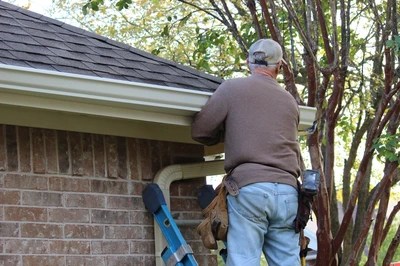
The cheap gutters you buy at big box stores come in small pieces that snap together. In heavy southern rainstorms, those seams often leak, bend, or pull away from the roof. Every seam is a spot where clogs can form and leaks can rot your roof boards. GutterPro LLC makes custom seamless aluminum gutters right in your driveway. Because they are made from one long piece of metal, they fit your roofline perfectly and have no seams where water can leak out.
We use strong hidden hangers and tough screws that keep your gutters locked tight to your home, even during windy coastal storms. Whether you need your gutters cleaned in Auburn or a brand new system in Lake Norman, our friendly team makes sure your home stays safe and dry.
Having strong, big gutters means rain moves away before it ever has a chance to soak into the dirt near your foundation. Seamless channels stop leaves from getting stuck in corners and keep water moving fast. This steady protection prevents hydrostatic pressure from clogged gutters from hurting your foundation, year after year.
Is Basement Flooding Covered by Insurance if Gutters Are Clogged?
Many homeowners are surprised to learn that normal home insurance will usually not pay for basement water damage caused by clogged gutters. Insurance companies say that cleaning your gutters is normal home care. If your gutters fill up with leaves and water overflows into your basement, the insurance company will often call it neglect. When an insurance inspector sees dirty gutters full of sticks, they will often say no to paying for repairs or mold cleanup.
Insurance policies state that homeowners must take reasonable care of their houses. If dirty gutters cause water to pool up and push through the basement walls, the insurance company makes the owner pay for the repairs.
Paying to pump out water, throw away wet drywall, and fix cracked foundation walls can easily cost thousands of dollars out of your own pocket. Spending a little bit of time and money on regular gutter cleaning is like buying cheap protection against huge repair bills. Keeping your gutters clean protects your home, keeps your insurance happy, and gives you peace of mind whenever storm clouds roll in.
Do Your Gutters Need a Cleaning?
Protect your basement from flooding caused by hydrostatic pressure from clogged gutters. Let GutterPro handle your gutter cleaning needs!